May we introduce?
Gasthof Löwen: a Montafon original
The inn across the street—and more than 500 years young.
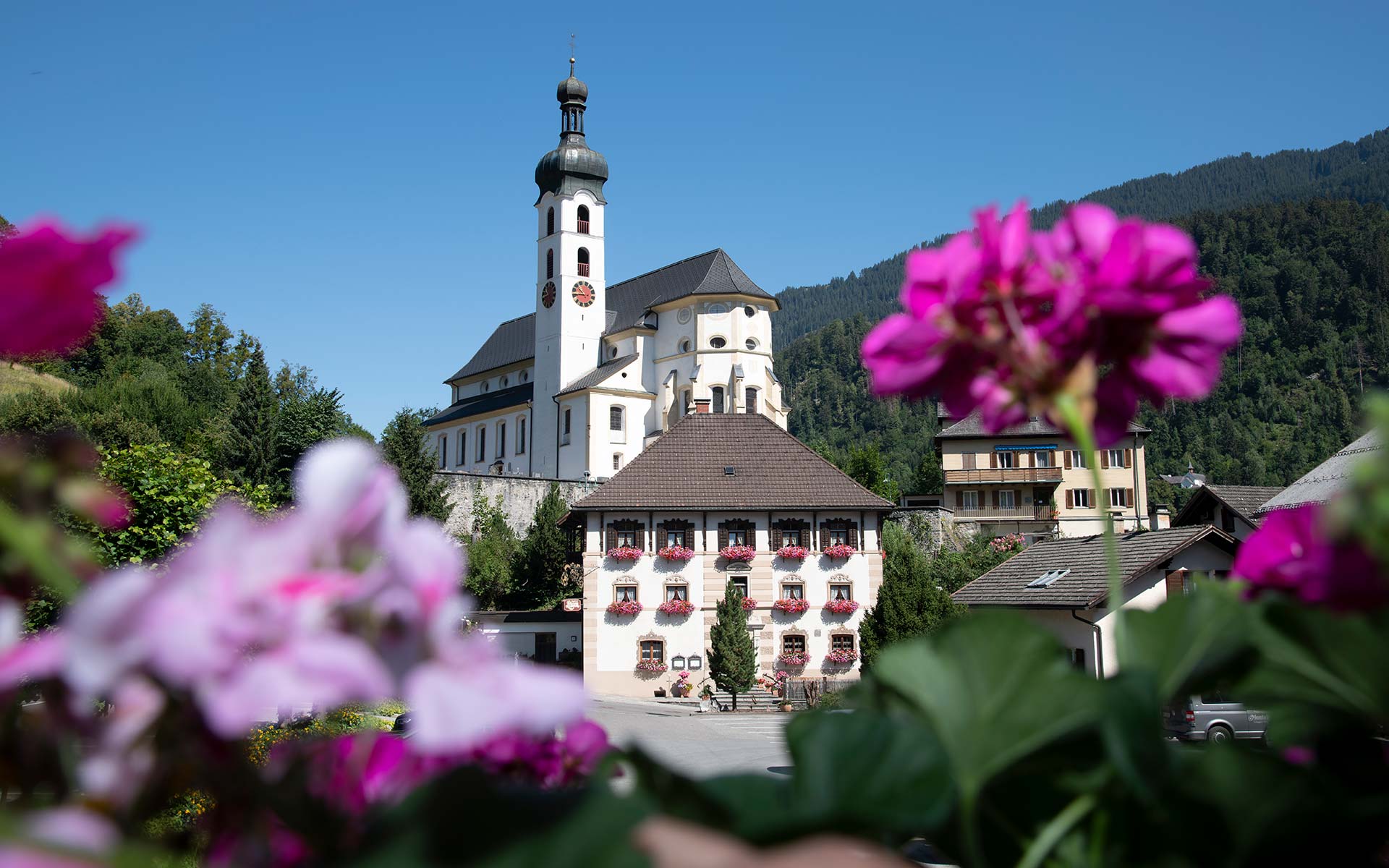
Directly across from the Montafoner Hof, in the heart of Tschagguns, stands our “Leua”—as the locals call it. Above the door, a touch of eternity carved in stone: the year 1500. Over 520 years young, family-owned for generations, and nowhere is more “Montafon” than here. It is just as popular with locals as it is with guests. Why? Because here, people enjoy the good life, savor the traditional home-style cooking, laugh, talk, and play music. A place where connection matters and people are the focus.
A cozy parlor in the truest sense: paneled walls, wood, and old pictures. At the Löwen, inn culture is lived just as it used to be. It is the heart and origin of our hotel. Everything started here, long before the Montafoner Hof existed. And to this day, the saying goes: “Do kon d’Lüt zemma”—this is where people come together.
To the Löwen website Book a table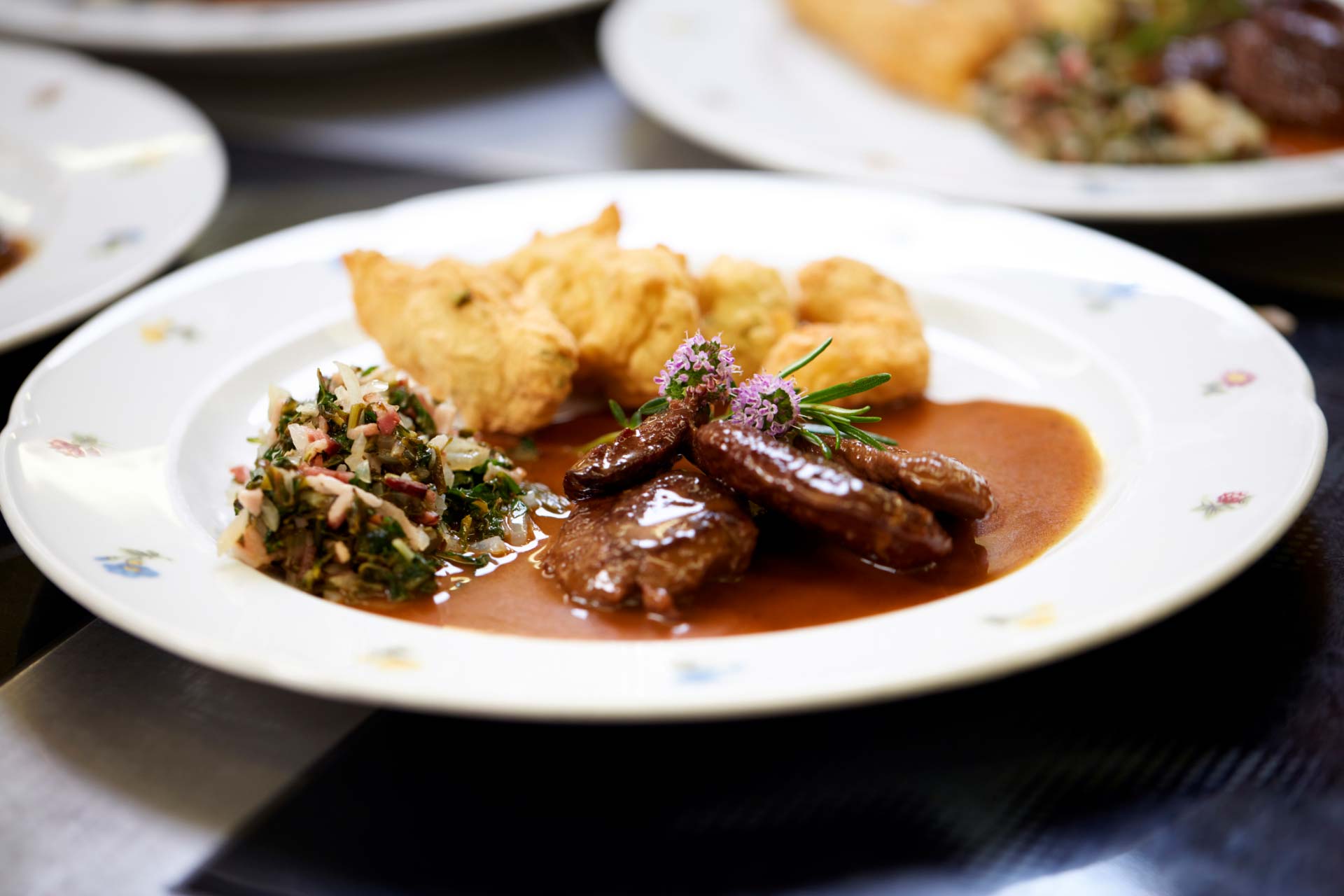
Inn cuisine with everything the region has to offer
From Sura Kees (sour milk cheese) to game from our own hunt.
We serve what the region provides, and it is among the best far and wide. Highly praised specialties such as onion-topped roast beef and boiled pork, Tafelspitz and Tyrolean dumplings, Kässpätzle made according to an old family recipe, and game specialties. And to finish, of course, tempting desserts like apple strudel, Kaiserschmarren, or pancakes.
Eating and drinking keep body and soul together; it has always been that way at the Löwen. And because hunting has always been a passion, the game comes from our own and neighboring territories. Our commitment to regionality is also reflected in the AMA seal of quality and our membership in “bewusstmontafon.” For us, this means: short distances, reliable quality, familiar faces, and authentic taste.
Live house music every Thursday
Traditional folk music, an essential part of the Montafon.
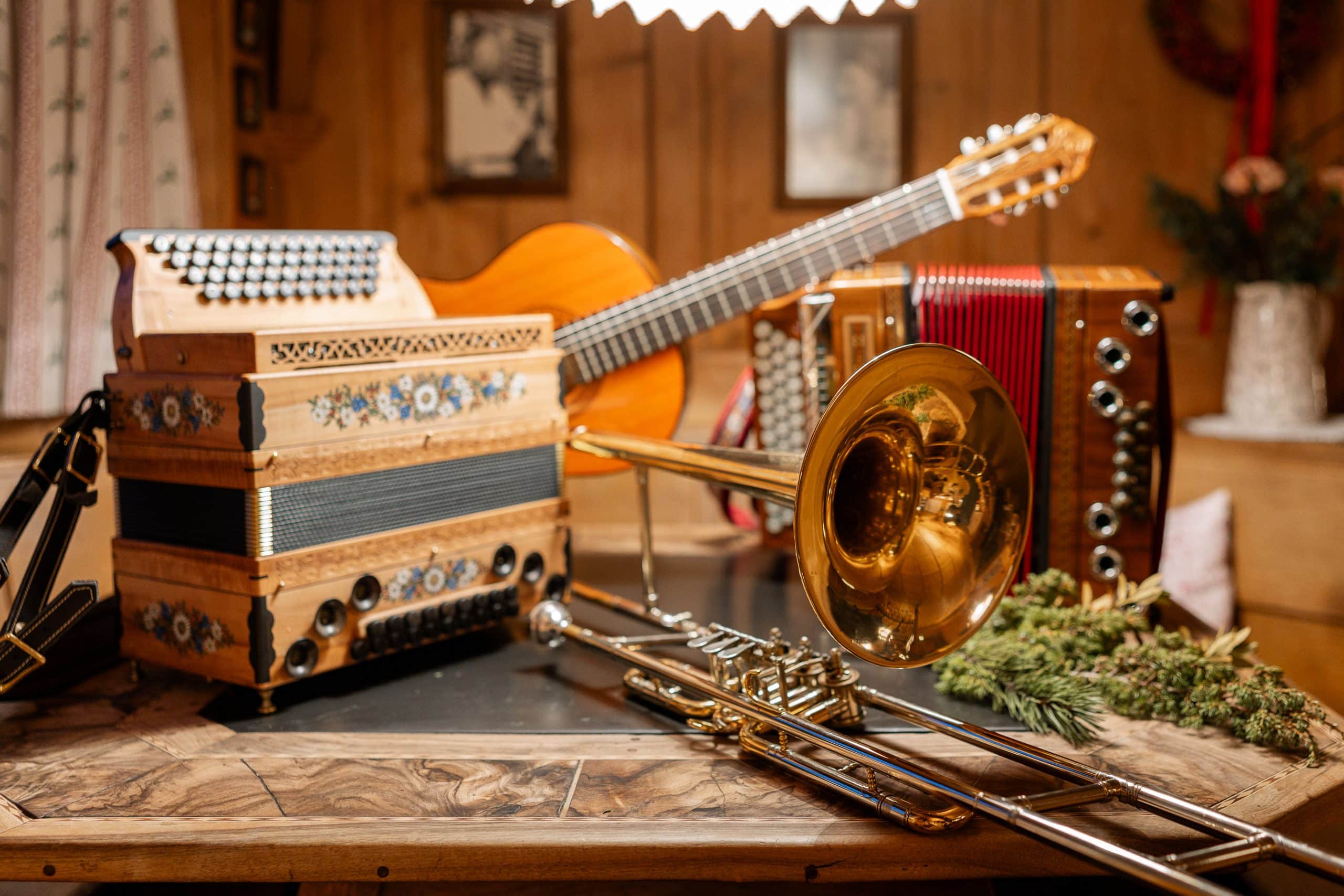
For generations, authentic folk music has been part of the hospitality at the Löwen. Folk musicians from all over the world meet in the parlors and play. Sometimes organized, often completely spontaneous, just because the mood is right. Senior partner Armin Tschohl laid the foundation for this, and we continue to cherish his legacy today. In the family, we pick up the Steirische Harmonika, guitar, harp, trombone, and double bass.
When the music starts here, it’s not a performance—it’s music that comes from the heart and gets under your skin. Every Thursday from 9 PM, we turn it up! You don’t need to do or bring anything except a desire for a wonderful evening.
Sleep at the Löwen, enjoy at the Montafoner Hof
The best of two houses in one.
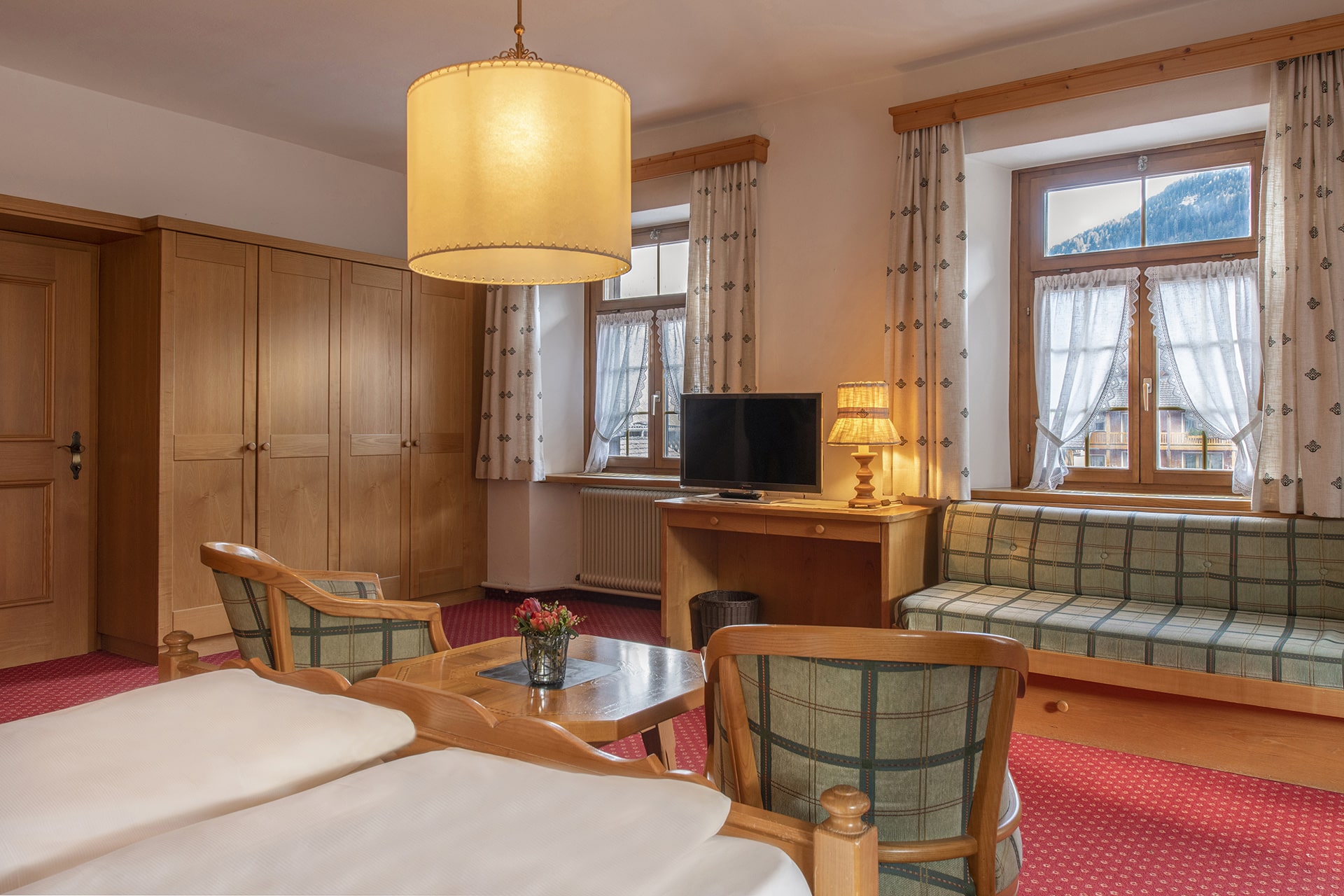
Anyone who books a room at the Löwen gets the entire gourmet hotel experience included. This means: a varied breakfast buffet, use of the leisure and wellness area, and in the evening, for a change, our delightful 5-course menu across the street at the Montafoner Hof. Sleep within traditional walls, enjoy in two locations—with only a few steps across the street in between.
A brief chronicle of the Löwen
Infamous innkeepers, famous guests, colorful times…
Long before the term “award-winning cuisine” even existed, the Löwen in Tschagguns was an institution. Between then and now lie over 500 years: good times and bad, highs and lows. Together, they have made the Löwen a landmark of the village. We would like to tell you a little bit about it.
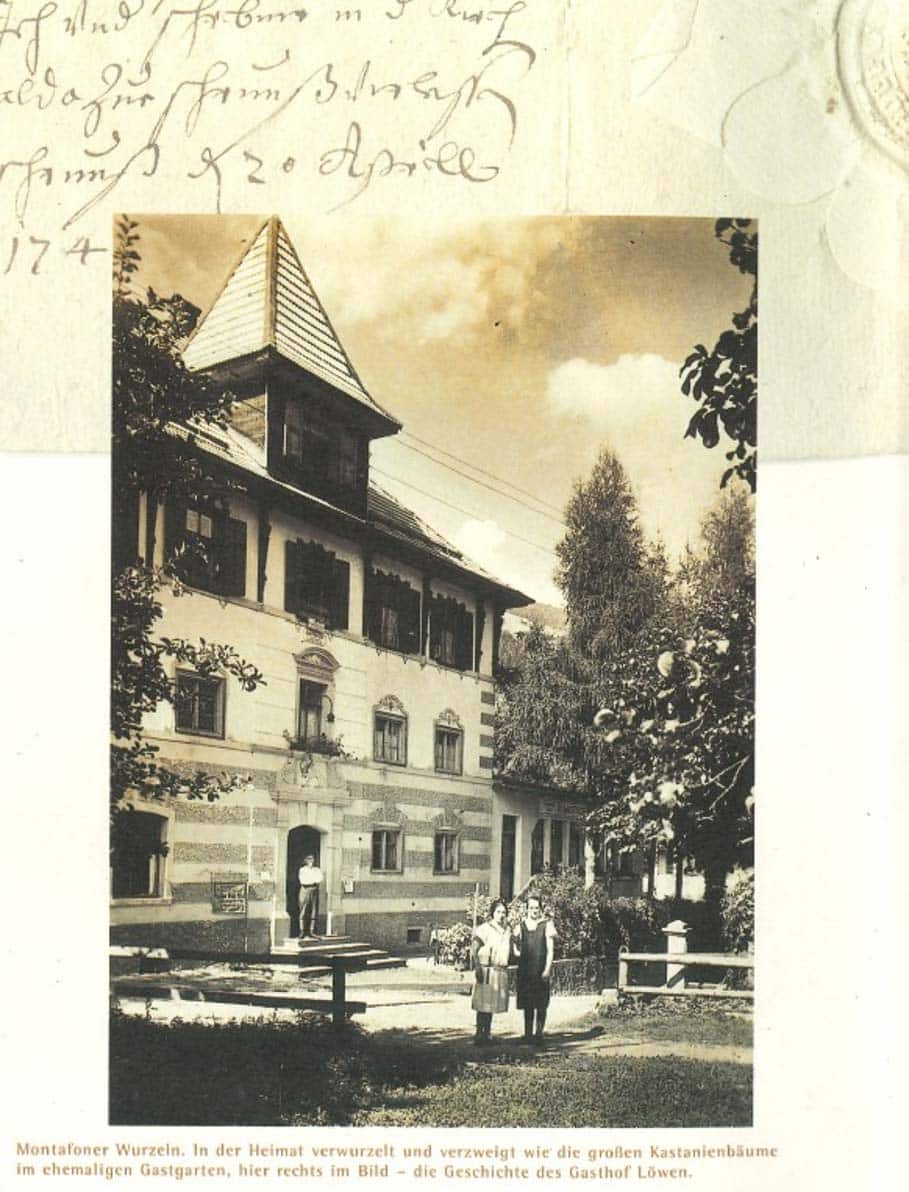
Above the door of the Löwen, the year 1500 is carved in stone. The Löwen is known to only a few carters who find lodging and stables here on the pack animal trail from Bludenz to Tyrol and Graubünden.
Kalixtus Wintergrün is the first Löwen innkeeper recorded by name.
A long line of innkeepers runs the house: Benedikt Bertle (1656), Evarist Bertle (1700), and Johann Ulrich Ganahl (1748).
Löwen innkeeper Mathias Drexel (1768–1847) is awarded the Golden Civil Medal of Honor for his services to the communities of the valley.
With Sophie Drexel, a woman takes over as innkeeper for the first time—a courageous and unusual step for that era. Through the Butzerin and Bitschnau families, the line leads to our Christl—the heart of the Löwen—who marries Armin and thus begins the Tschohl generation
.
Even Ernest Hemingway, Nobel Prize winner and bon vivant, is said to have visited the Löwen—and loved his “Hasenpfeffer” (rabbit stew).
The roof of the Löwen burns out again in the middle of winter—for the second time in its history.
An eventful time: After the Second World War, the Löwen serves as the headquarters for French occupiers, and at times as a classroom, hairdresser, and doctor’s office; in the large hall, a refugee from Pomerania manufactures microscopes. Wilma Bitschnau, Christl’s mother, provides shelter, lodging, and food for refugees at the Löwen.
During the renovation of the dining parlors, the Löwen preserves its character. The artistically paneled “upper parlor” can be seen today as a centerpiece in the Vorarlberg State Museum.
Opposite, where a large orchard once beckoned in the founding days, the Montafoner Hof is built. From a pack animal inn to the “mother house” of a modern top hotel—managed by Christoph and Stefan with Gertrud Tschohl.
The Löwen is still here: a meeting place for locals, guests, and musicians from near and far, offering inn cuisine with game from our own hunt—and live house music every Thursday.
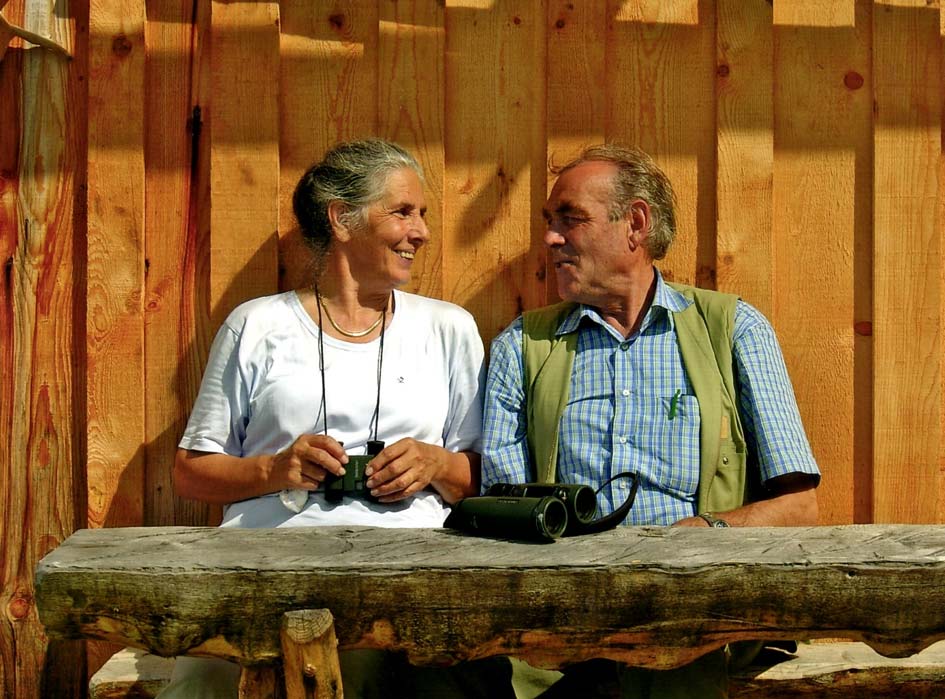
May our Gasthof Löwen grow proudly from “yesterday” into “tomorrow”!
We’ll tell you the rest ourselves—ideally over your favorite dish and a good glass of wine.